
How to Remove Paint Contaminants with a Clay Towel and Clay Mitt
Keep Your Vehicle’s Paint Smooth, Clean, and Ready for Polishing
Regular car‑washing keeps vehicles looking clean, yet paint can still turn rough and lose gloss even after thorough washing. This happens because invisible contaminants including industrial fallout, brake dust and road tar stick firmly onto clear‑coat layers.
Professional detailers use clay towels and clay mitts as efficient solutions to strip embedded contaminants without hurting original paint.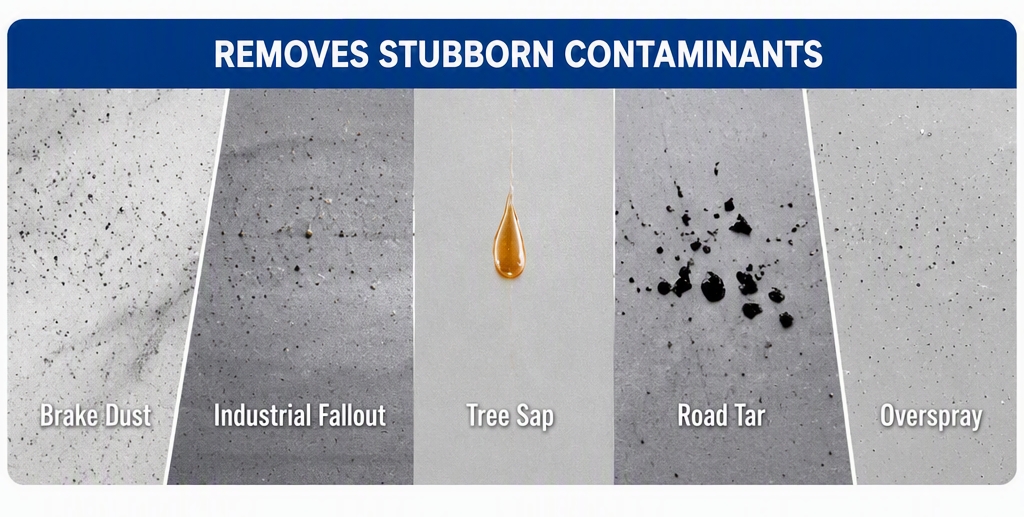
What Is a Clay Towel or Clay Mitt?
Clay towels and clay mitts are advanced detailing tools built with polymer‑rubber working surfaces, performing similarly to traditional clay bars. Compared with traditional clay bars that need repeated kneading and regular replacement, clay towels and mitts bring these advantages:
- Larger working‑surface area
- Faster contaminant‑removal speed
- Reusable design
- Simple operation friendly for beginners and professionals They are ideal picks for detailing shops, private car‑owners and auto‑care specialists aiming for smooth paint before polishing or waxing.
Step-by-Step Guide: How to Use a Clay Towel or Clay Mitt
Step1: Wash and Prepare the Vehicle Rewrite:
Before using clay‑towel or clay‑mitt, fully wash your vehicle to get rid of loose dirt, dust and mud. Clean paint‑surface prevents accidental scratches and allows clay material to work efficiently against bonded contaminants. Preparation tips:
- Use quality car shampoo
- Rinse away all loose particles
- Keep paint wet during clay‑treatment
Step2: Apply Enough Lubrication
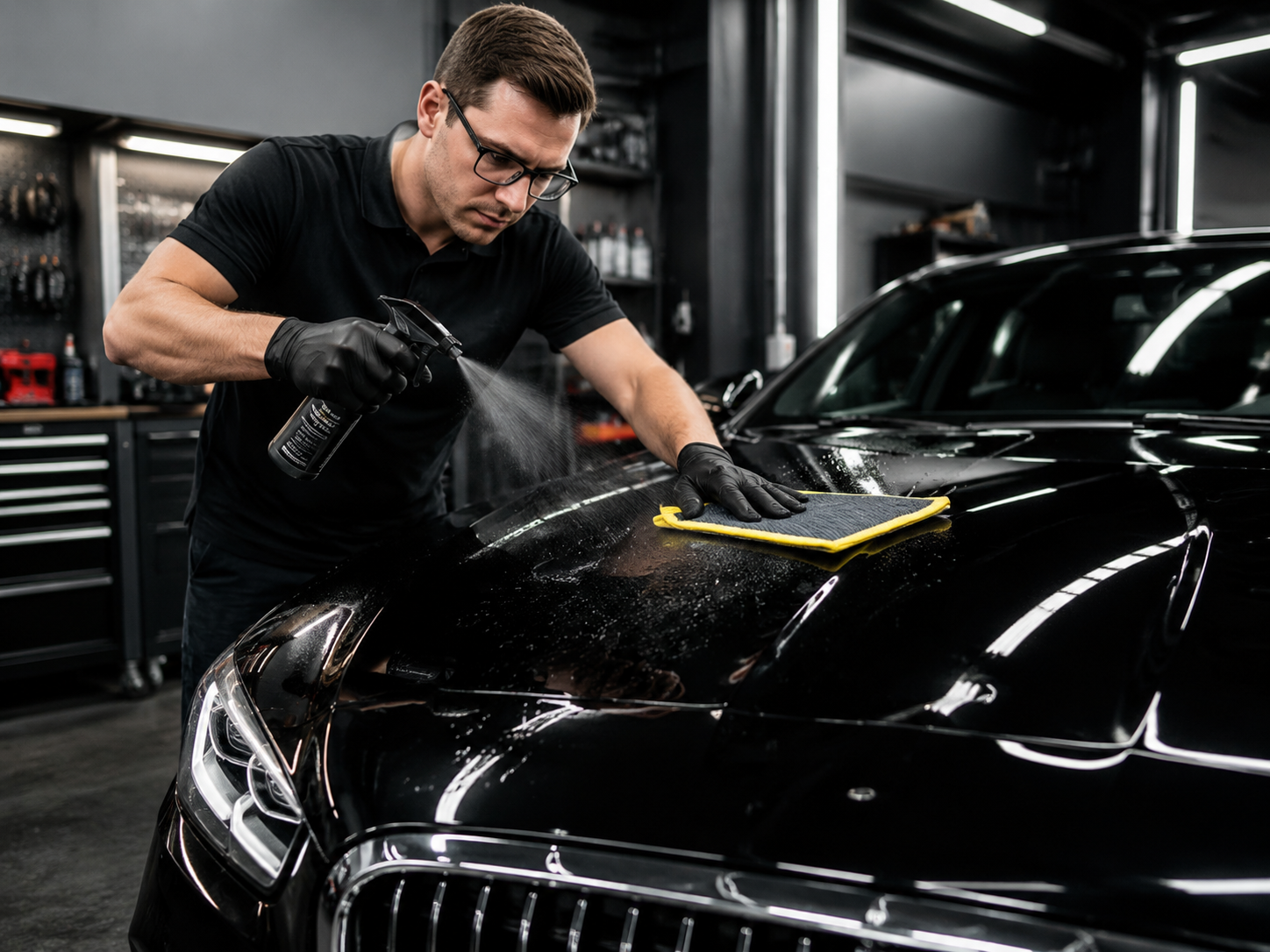
Rewrite:Lubrication is critical for clay‑towel / clay‑mitt work. Spray dedicated clay‑lubricant or detailing‑spray evenly across paint‑surface. This creates slippery buffer layer between tool and clear‑coat and reduces friction risk. Without adequate lubrication, clay material may stick and cause unwanted paint marks.
Step 3: Gently Glide the Clay Towel or Mitt
Rewrite:Move clay‑towel or mitt horizontally across paint‑surface with light pressure. Recommended practice:
- Adopt straight‑line movement
- Treat small paint zones section‑by‑section
- Avoid aggressive hard rubbing Slight initial resistance means your tool is lifting bonded contaminants. After several passes, paint surface will feel observably smoother.
Step 4: Check and Maintain the Tool
Rewrite:During work, rinse clay‑towel / mitt frequently to wash off collected contaminants. After‑use care:
- Rinse fully with clean water
- Allow natural air‑dry
- Store inside clean dry space Good maintenance extends your tool service life.
When Should You Use a Clay Towel or Clay Mitt?
Clay‑treatment is especially recommended before these workflows:
- Paint Polishing: Smooth paint lets polishing pads perform better and deliver higher‑quality results.
- Waxing and Ceramic Coating: Removing bonded contaminants strengthens product bonding and extends coating service life.
- Vehicle Pre‑sale Preparation: Smooth paint‑surface improves overall vehicle presentation.
- Regular Professional Detailing: Detailing shops can improve efficiency by adopting reusable clay‑towels / mitts instead of conventional clay‑bars.
Clay Towel vs. Traditional Clay Bar: Why Choose a Modern Solution?
| Feature | Clay Towel / Clay Mitt | Traditional Clay Bar |
|---|---|---|
| Cleaning Area | Large surface | Small surface |
| Working Speed | Faster | Slower |
| Reusable | Yes | Limited |
| Easy to Use | Beginner-friendly | Requires more skill |
| Professional Efficiency | Excellent | Moderate |
Rewrite summary:For modern‑day auto detailing, clay towels and clay mitts offer faster, more convenient workflows to achieve showroom‑level paint finish.